




 0
 0
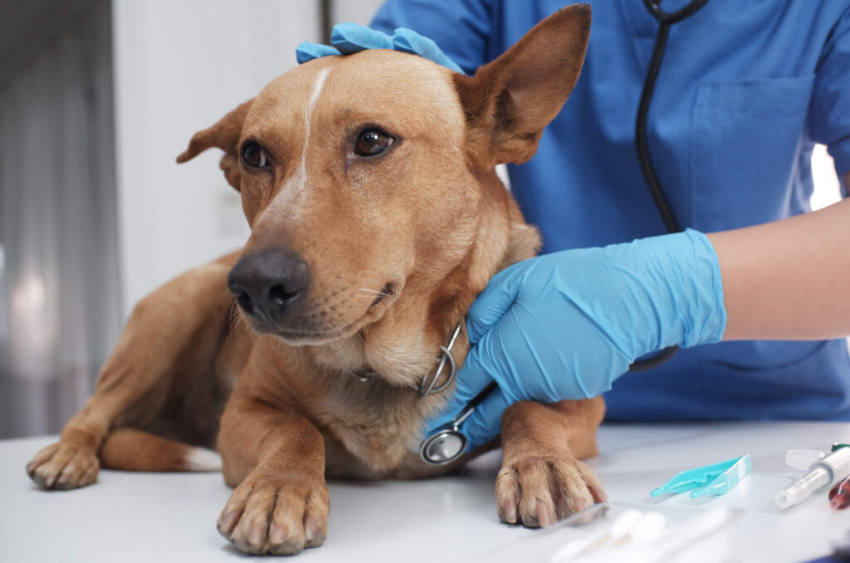
There is a moment most pet owners experience somewhere around the time their dog or cat hits seven or eight years old. Something small changes. Maybe your dog takes a little longer to get up in the morning. Maybe your cat has stopped jumping onto the windowsill she used to love or maybe the enthusiasm for walks is just slightly less than it used to be. And you find yourself wondering whether this is just normal aging or whether something is actually going on that deserves attention.
Table of Contents
- When Does Senior Pet Care Actually Begin?
- The Signs That Tell You It Is Time for Senior Pet Care
- What Senior Pet Care Actually Involves
- Why Finding the Right Vet for Senior Care Matters
- FAQs
- My senior dog seems happy and is eating well. Do they still need a senior wellness exam?
- How is a senior wellness exam different from a regular annual checkup?
- My cat is twelve and has never had bloodwork done. Is it too late to start?
- What should I do if I notice my senior dog is stiff in the mornings?
- How do I know if my senior pet is in pain if they are not obviously limping or crying?
- The Best Time to Start Senior Care Was Yesterday. The Second Best Time Is Today.
That question, normal aging or something more, is one of the most common things veterinarians hear from owners of older pets. And the honest answer is that the line between the two is often much blurrier than people expect. Some of what looks like slowing down is normal. But a significant portion of what owners write off as their pet just getting older turns out to be a treatable condition that has been quietly progressing without obvious symptoms.
Knowing the signs that your pet has moved into the stage of life where senior-focused veterinary care makes a real difference is one of the most valuable things you can understand as a pet owner. This guide covers those signs specifically, along with what senior care actually involves and how to find the right senior pet care near you in Encino for your dog or cat.
When Does Senior Pet Care Actually Begin?
This is the starting point that catches most owners off guard because the answer is not the same for every pet. Senior status in dogs is heavily influenced by breed size, and the difference is more significant than most people realize.
Giant breed dogs like Great Danes, Bernese Mountain Dogs, and Saint Bernards are genuinely senior by five or six years old. Large breeds like Labrador Retrievers, Golden Retrievers, and German Shepherds typically enter their senior years around seven. Medium breeds land around seven to eight, and small breeds like Chihuahuas, Toy Poodles, and Dachshunds often do not hit senior status until nine or ten.
Cats follow a slightly different timeline. Most veterinary guidelines consider cats senior from around ten years old, though the health monitoring shift often begins at seven or eight when age-related changes start appearing in bloodwork even before any visible symptoms emerge.
The reason this matters is that starting senior-level monitoring at the right time, rather than waiting until obvious symptoms appear, is where early detection actually happens. A seven-year-old Labrador whose owner is still treating them like a young adult dog is missing a monitoring window that could catch kidney disease, thyroid issues, or early cardiac changes at a stage where intervention genuinely changes the trajectory.
The Signs That Tell You It Is Time for Senior Pet Care
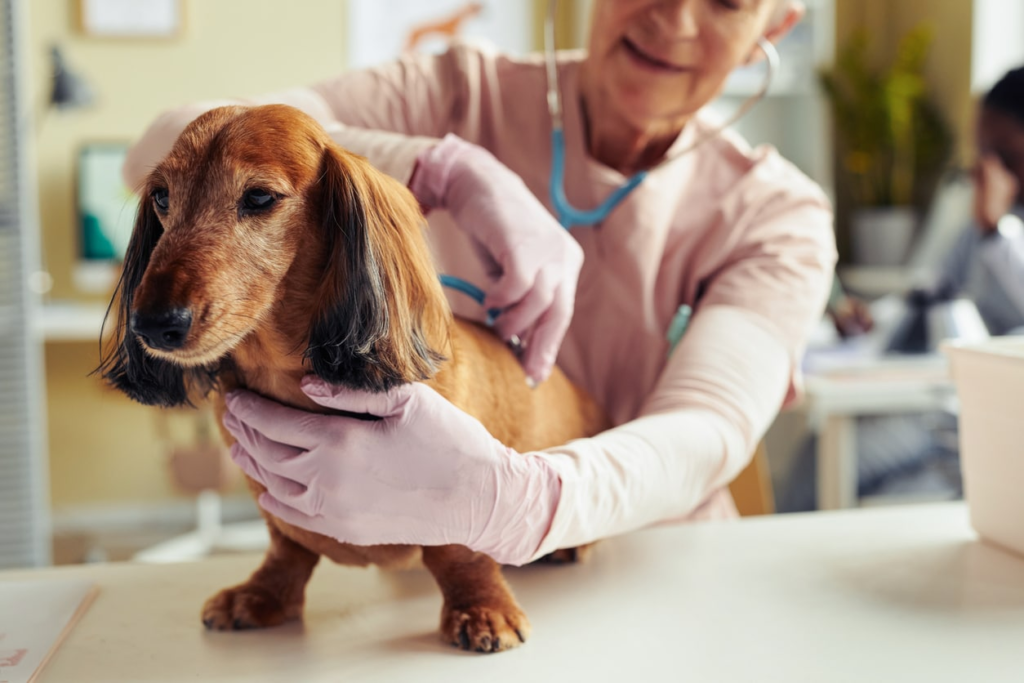
Some of the signs that a pet needs senior-focused veterinary attention are obvious. Others are subtle enough that even attentive owners miss them until they have been present for months. Here is what to watch for across both categories.
Changes in mobility and movement are usually the first thing owners notice. A dog who hesitates at the bottom of the stairs, gets up slowly after resting, or seems stiff for the first ten minutes of a morning walk is showing classic early arthritis signals. Cats show this differently, becoming less likely to jump to high surfaces, more reluctant to use a litter box with high sides, and occasionally missing jumps they used to make easily. Neither species typically yelps or limps obviously in the early stages of joint pain. The subtlety is the point.
Changes in weight in either direction warrant attention in older pets. Unexplained weight loss in a cat is one of the most reliable early indicators of hyperthyroidism, kidney disease, or diabetes, all of which are common in cats over ten and all of which are manageable when caught early. Weight gain in a dog without a corresponding change in diet or activity can signal hypothyroidism, which is particularly common in certain breeds and responds well to treatment.
Increased thirst and urination are a combination that appears frequently in senior pets with kidney disease, diabetes, or Cushing’s disease. Most owners notice this as needing more water refills than usual, more frequent trips outside, or occasional accidents in a previously house-trained dog. On its own, drinking more water seems harmless. In the context of a senior pet, it is a signal worth acting on promptly.
Changes in behavior and cognition are among the most emotionally difficult signs for owners to recognize because they closely resemble simple aging. A dog who seems confused at times, gets stuck in corners, forgets routines they have followed for years, or has started waking and vocalizing at night may be showing early signs of Cognitive Dysfunction Syndrome, the canine and feline equivalent of dementia. This condition is more common than most owners realize and is genuinely manageable with the right combination of diet, supplements, and in some cases medication.
Coat and skin changes, including dullness, increased shedding, dry or flaky skin, and the development of lumps or bumps under the skin, are all things that become more common as pets age and all things that benefit from a veterinarian’s assessment. Not every lump is serious, but the only way to know is to have it examined and, in many cases, tested.
Dental pain is one of the most chronically undertreated conditions in senior pets. A dog or cat who is eating more slowly, dropping food, chewing on one side, or showing any reluctance around the food bowl may be experiencing significant dental discomfort. Because pets instinctively continue eating even when it hurts, owners often do not realize the extent of the problem until a dental exam under anesthesia reveals what is actually going on below the gum line.
What Senior Pet Care Actually Involves
Understanding the signs is one part of the picture. Understanding what happens when you actually book a senior pet care appointment in Encino is the other part, and it is worth knowing what to expect before you go.
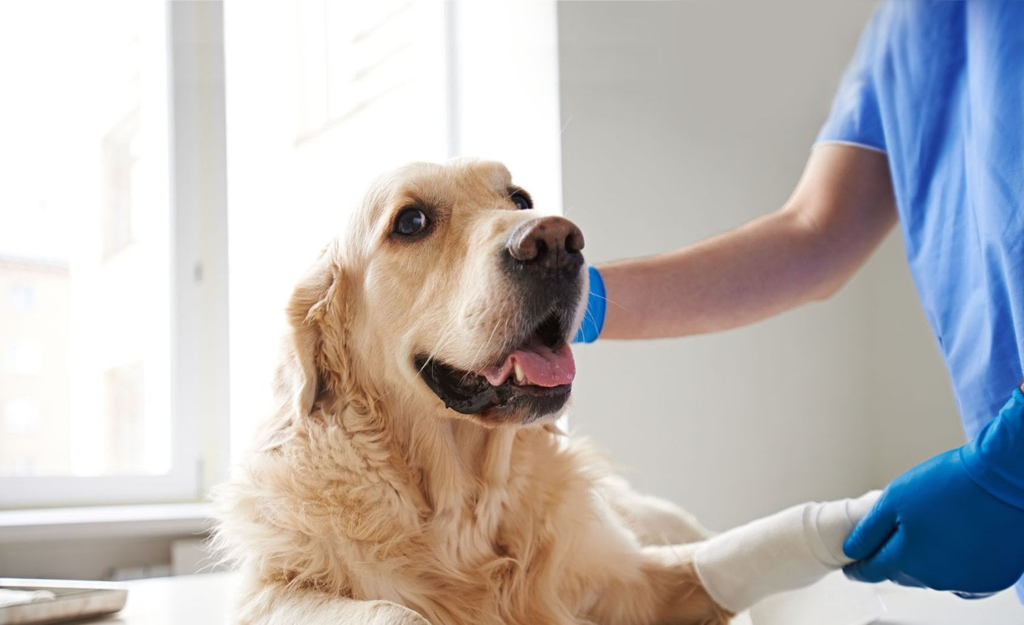
A proper senior wellness exam is more comprehensive than a standard adult checkup. It typically includes a thorough physical examination with particular attention to joint mobility, heart and lung sounds, lymph node size, and abdominal palpation. A complete blood count and chemistry panel evaluate organ function across the board, giving the vet a snapshot of kidney values, liver enzymes, blood glucose, and red and white blood cell counts. Thyroid testing is included for cats and for dogs showing relevant symptoms. Urinalysis assesses kidney concentrating ability and catches early signs of disease that blood tests alone can miss. Blood pressure measurement is increasingly standard in senior pets because hypertension is more common than most owners expect and causes organ damage silently when left untreated.
Beyond the diagnostics, a senior wellness visit is also a conversation. A vet who is doing this well will ask about changes in your pet’s behavior at home, discuss nutrition and whether the current diet is appropriate for the senior life stage, talk through any mobility concerns, and give you a clear picture of what they found, what it means, and what the monitoring plan looks like going forward.
The recommendation for most senior pets is twice-yearly visits rather than annual ones. The reason is straightforward: a lot can change in six months in an older pet’s body, and the value of early detection comes from catching things when they are small, not when they have had a year to develop unmonitored.
Why Finding the Right Vet for Senior Care Matters
Not every veterinary practice approaches senior pet care in Encino with the same depth of attention. A practice that simply extends the adult wellness protocol to older patients without adding senior-specific diagnostics, without discussing quality of life, and without building a longitudinal picture across multiple visits is missing a significant part of what makes senior care valuable.
What to look for in a practice that handles senior pets well includes a clear senior wellness protocol that goes beyond the standard exam, in-house diagnostic capability so bloodwork and imaging results are available the same day rather than requiring a return visit, a willingness to have honest conversations about quality of life and what the findings actually mean for your pet’s day-to-day experience, and a team that knows your pet by name and history rather than starting from scratch at every visit.
Fear-free handling is also worth considering specifically for senior pets. Older animals, particularly those dealing with pain or cognitive changes, are often more sensitive to the stress of a veterinary visit than they were when younger. A practice with fear-free certification uses handling techniques and environmental design specifically intended to keep that stress as low as possible, which matters both for the pet’s experience and for the accuracy of the exam.

Encino Pet Hospital and Emergency offers comprehensive senior pet care near me in Encino for dogs and cats at every stage of the senior life journey. Call or visit the website to book your pet’s senior wellness appointment.
FAQs
My senior dog seems happy and is eating well. Do they still need a senior wellness exam?
Yes. Many of the conditions most common in senior dogs, including early kidney disease, thyroid dysfunction, and heart disease, have no visible symptoms in their early stages. A wellness exam with bloodwork catches these when they are most treatable, not when they have become obvious enough to affect appetite and behavior.
How is a senior wellness exam different from a regular annual checkup?
A senior wellness exam includes additional diagnostics specifically relevant to aging pets, including thyroid testing, urinalysis, blood pressure measurement, and a joint and mobility assessment. It also involves a more detailed conversation about behavioral and cognitive changes at home and a more comprehensive discussion of the monitoring plan going forward.
My cat is twelve and has never had bloodwork done. Is it too late to start?
It is never too late. In fact, starting bloodwork at twelve gives your vet a baseline to measure against at the next visit, which is exactly where the value of monitoring comes from. A single result tells you where things are. Two results six months apart tell you which direction things are moving and how fast.
What should I do if I notice my senior dog is stiff in the mornings?
Book a mobility assessment with your vet rather than assuming it is simply normal aging. Morning stiffness that improves with movement is a classic early arthritis presentation and is very manageable with the right combination of medication, supplements, and environmental adjustments. Catching it early means your dog is more comfortable sooner.
How do I know if my senior pet is in pain if they are not obviously limping or crying?
Look for the subtle signals: hesitation before stairs or jumps, slower rising from rest, reduced interest in activities they previously enjoyed, irritability when touched in certain areas, panting at rest without obvious cause, and changes in sleep patterns. These are the most reliable pain indicators in senior pets, and they are easy to miss because they develop gradually rather than appearing suddenly.
The Best Time to Start Senior Care Was Yesterday. The Second Best Time Is Today.
Watching a pet age is one of the more bittersweet experiences of being an owner. The good news is that senior veterinary care has advanced to the point where many of the conditions that used to simply be accepted as inevitable parts of aging are now manageable, treatable, and in some cases reversible when caught early enough.
If your dog or cat is approaching or already in their senior years and you have not yet made the shift to senior-focused veterinary care, that shift is worth making sooner rather than later. The window for early detection is open right now, and the conditions most worth catching are the ones that have not yet become obvious.


